When designing an embroidered patch, one of the most common questions we hear is: “How small can my artwork details be while still looking clean and professional?” It’s a great question-because embroidery is a stitched medium, not every tiny design element translates the same way it would on paper or a screen. Understanding the limits of embroidery ensures your finished patch looks neat, legible, and eye-catching.
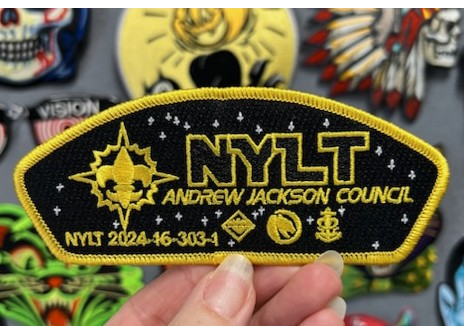
Unlike printing or weaving, embroidery uses thicker thread that has dimension and texture. This means very fine details-like thin lines, tiny text, or small shapes-can blend together or lose clarity if they’re too small. The goal is to balance your design with the capabilities of the embroidery process.
Here are some practical rules of thumb:
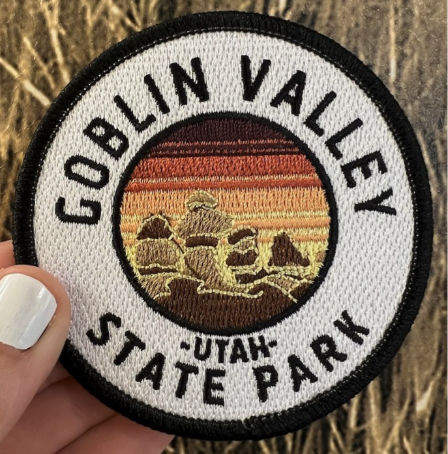
If your design includes intricate lettering, thin outlines, or very fine textures, embroidery might not be the best choice. That doesn’t mean you can’t create a patch-you just might consider another style:
The best embroidered patches are designed for embroidery. Simplify lines, increase the size of small details, and use bold contrasts between elements. When in doubt, we’ll provide a digital proof so you can see how your design will translate before production begins.
Embroidery is timeless, durable, and highly professional-looking, but it does have natural limits when it comes to tiny details. By keeping lettering, lines, and spacing within embroidery-friendly guidelines, you’ll ensure your finished patch looks sharp and polished-not cluttered or hard to read.
At Artex Group, we’ll guide you through the process and suggest the best patch style for your artwork-whether that’s embroidered, woven, PVC, leather, or dye sublimated.